
Evidence-based, parent-tested. References guidelines from the AAP, CDC, and WHO.
Informational only, not medical advice. Always consult your pediatrician about your baby's specific needs.
The Ferber method — also known as graduated extinction or “check and console” — is one of the most well-researched and widely used sleep training approaches in the world. Developed by Dr. Richard Ferber, director of the Center for Pediatric Sleep Disorders at Boston Children’s Hospital, this method teaches babies to fall asleep independently through progressively longer intervals between parental check-ins. It strikes a balance between full cry-it-out and fully hands-on gentle sleep training approaches, making it the most popular choice for families who want structure with some reassurance built in.
📌 Key Takeaway: The Ferber method uses timed check-ins at increasing intervals to teach your baby to self-soothe. Most families see significant improvement within 3–5 nights. The method is backed by peer-reviewed research showing it is safe and does not harm infant attachment or development.

Before You Start: Prerequisites
The Ferber method requires preparation. Starting without meeting these prerequisites significantly reduces your chances of success:
| Prerequisite | Details |
|---|---|
| Age | At least 4 months (adjusted age for preemies), ideally 5–6 months |
| Health | Baby is healthy, not sick, no undiagnosed reflux or ear infections |
| Weight | At least 14 lbs or cleared by pediatrician for fewer night feeds |
| Schedule | Age-appropriate nap schedule and wake windows in place |
| Environment | Dark room, white noise, safe crib setup per AAP guidelines |
| Bedtime routine | Consistent 15–20 minute routine established for at least 1 week |
| Both parents on board | Both caregivers must agree on the plan and commit to consistency |
| Clear calendar | No travel, visitors, or major disruptions for at least 2 weeks |
⚠️ Important: Always consult your pediatrician before starting the Ferber method, especially if your baby was premature, has medical conditions, or is not gaining weight well. The Ferber method is not recommended for babies under 4 months.
Night-by-Night Check-In Schedule
This is the core of the Ferber method — the progressive waiting schedule:
| Night | First Check-In | Second Check-In | Third Check-In | Subsequent Check-Ins |
|---|---|---|---|---|
| 1 | 3 minutes | 5 minutes | 10 minutes | 10 minutes |
| 2 | 5 minutes | 10 minutes | 12 minutes | 12 minutes |
| 3 | 10 minutes | 12 minutes | 15 minutes | 15 minutes |
| 4 | 12 minutes | 15 minutes | 17 minutes | 17 minutes |
| 5 | 15 minutes | 17 minutes | 20 minutes | 20 minutes |
| 6 | 17 minutes | 20 minutes | 25 minutes | 25 minutes |
| 7 | 20 minutes | 25 minutes | 30 minutes | 30 minutes |
💡 Tip: You can customize these intervals. If 3 minutes feels too short, start at 5. If 10 minutes feels too long, cap at 7. The specific numbers matter less than the principle: progressively longer waits with brief, non-stimulating check-ins. Dr. Ferber himself says the exact intervals are flexible.
Step-by-Step Instructions
Step 1: Establish a Bedtime Routine (Day 1 Prep)
Create a consistent 15–20 minute routine that ends in baby’s room:
- Bath (optional but calming)
- Pajamas and diaper
- Feed (NOT to sleep — end feeding before baby is drowsy)
- 1–2 short books or songs
- Place in crib AWAKE
- Say goodnight and leave the room
Step 2: Night 1 Protocol
- Complete the bedtime routine.
- Place baby in the crib awake. Say “I love you, goodnight.”
- Leave the room.
- Start the timer. Wait 3 minutes before the first check-in.
- First check-in (3 min): Enter the room. Do NOT pick baby up. Briefly reassure with words (“You’re okay, I love you, it’s time for sleep”) and a brief pat. Stay 1–2 minutes MAX. Leave.
- Wait 5 minutes. Then do the second check-in (same brief reassurance).
- Wait 10 minutes. Continue with 10-minute intervals until baby falls asleep.
Step 3: Middle-of-Night Wakings
Apply the same interval schedule to any nighttime wakings. If you’re still offering a night feed:
- Decide in advance which wakings will be feeding times (e.g., only after midnight, only once per night)
- For feeding times, go in promptly, feed in dim light, put baby back in crib awake
- For non-feeding wakings, use the check-in schedule
Step 4: Naps (Start on Day 3–4)
Apply Ferber to naps once nighttime is improving:
- Use the same check-in intervals
- Give the nap 60 minutes total (crib hour)
- If baby hasn’t fallen asleep after 60 minutes, get them up and try again at the next nap time
- Naps often take longer to improve than nighttime (1–2 weeks)
What to Expect: Night-by-Night
| Night | What Typically Happens |
|---|---|
| Night 1 | Hardest night. Crying may last 30–90 minutes. This is normal. |
| Night 2 | Often the worst night. Crying may be longer or more intense than Night 1 (“extinction burst”). |
| Night 3 | Usually a significant turning point. Crying decreases to 15–30 minutes. |
| Night 4 | Most babies cry for less than 15 minutes. |
| Night 5–7 | Minimal crying (0–10 minutes). Baby falls asleep quickly. |
| Week 2 | Nighttime is mostly resolved. Naps may still need work. |
| Week 3–4 | Naps improving. Full consolidation of independent sleep. |
📊 Key Data: The landmark 2016 study by Gradisar et al. in Pediatrics found that infants in the graduated extinction group fell asleep an average of 13 minutes faster and had fewer nighttime wakings compared to a control group. The study found no adverse effects on infant stress (measured by cortisol) or parent-child attachment at 12-month follow-up.
Common Mistakes to Avoid
| Mistake | Why It’s a Problem | What to Do Instead |
|---|---|---|
| Picking baby up during check-ins | Reinforces crying as a way to be picked up | Verbal and brief touch only |
| Long check-ins (5+ minutes) | Re-stimulates baby, resets the cycle | Keep check-ins under 2 minutes |
| Giving up on Night 2 | Night 2 is often worse (extinction burst) — this is expected | Commit to at least 5 nights |
| Inconsistency between parents | Baby gets mixed signals | Both parents follow the same plan |
| Starting during illness or regression | Baby has legitimate needs that should be met | Wait until baby is healthy and stable |
| Not having a bedtime routine | No clear sleep cue before being placed in crib | Establish routine first, then start Ferber |
| Feeding to sleep before starting | Baby falls asleep nursing, wakes in crib confused | End feed 15–20 minutes before crib placement |
The Extinction Burst
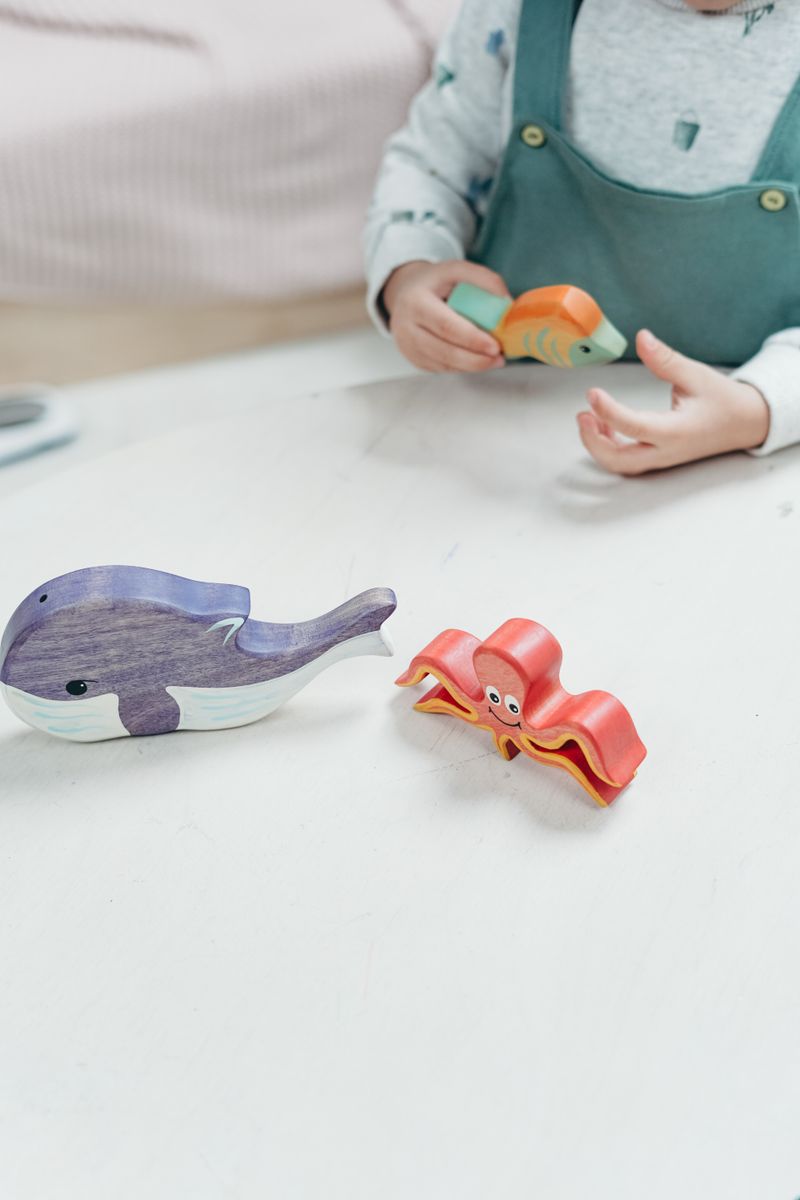
Night 2 (sometimes Night 3) often features what behavioral psychologists call an “extinction burst” — a temporary increase in the behavior being extinguished (crying). This is completely normal and is actually a sign the method is working. Your baby is testing whether the old rules still apply. If you stay consistent through the extinction burst, improvement comes rapidly after.
⚠️ Important: If you give in during the extinction burst — picking baby up, feeding to sleep, reverting to old habits — you inadvertently teach your baby that longer, more intense crying is what works. This makes subsequent sleep training attempts harder. Consistency through the burst is critical.
Ferber Method for Naps
Nap training with the Ferber method follows the same principles but requires patience:
| Nap Rule | Details |
|---|---|
| Use same check-in intervals | Same schedule as nighttime |
| Crib hour approach | Give baby 60 minutes to fall asleep |
| One nap at a time | Start with the first nap (highest sleep pressure) |
| Rescue naps are OK | If a nap fails, use a stroller or car to prevent overtiredness, then try the crib again next nap |
| Expect naps to take longer | Nap training often takes 2 weeks even if nights improve in 3–5 days |
Track your Ferber method progress with our Sleep Tracker — log crying duration each night to see the trend.
FAQ
Does the Ferber method cause psychological harm?
No. A comprehensive 2012 follow-up study published in Pediatrics by Price et al. examined children 5 years after sleep training and found no differences in emotional, behavioral, or stress-related outcomes between sleep-trained children and controls. The AAP and multiple pediatric organizations confirm that behavioral sleep interventions are safe.
What if my baby vomits from crying?
Some babies do vomit when they cry intensely. If this happens, calmly enter the room, clean up baby and the crib with minimal interaction (dim lights, no talking), and then leave the room again. Resume the check-in schedule. Vomiting is distressing for parents but is not harmful to the baby and usually only happens once or twice.
Can I modify the Ferber intervals?
Absolutely. Dr. Ferber himself states that the specific intervals are guidelines, not strict rules. You can start with shorter waits (1–3–5 minutes instead of 3–5–10) or use longer waits if your baby does better with fewer check-ins. Some babies are more stimulated by check-ins and do better with longer intervals. Adjust based on your baby’s temperament.
How do I handle early morning wakings during Ferber?
If your baby wakes before 6:00 AM and it’s not time for a scheduled feed, treat it like a nighttime waking and use the check-in schedule. Do not get baby up for the day until your designated wake time (e.g., 6:30 or 7:00 AM). Consistency in morning wake time is essential for setting the circadian rhythm.
💡 Related Resources: Expecting? Visit our sister site pregnancy.chparenting.com for week-by-week pregnancy guides, prenatal nutrition, and labor preparation.
References
- Ferber, R. (2006). Solve Your Child’s Sleep Problems. Simon & Schuster.
- Gradisar, M., et al. (2016). “Behavioral Interventions for Infant Sleep Problems.” Pediatrics, 137(6). pediatrics.aappublications.org
- Price, A.M., et al. (2012). “Five-Year Follow-up of Harms and Benefits of Behavioral Infant Sleep Intervention.” Pediatrics, 130(4). pediatrics.aappublications.org
- American Academy of Pediatrics (2022). “Infant Sleep.” aap.org

Written by
Vega LinFounder & Editor — Mother of 2 (Taiwan)
Vega writes Baby Care Guide from the intersection of evidence-based research (AAP, CDC, WHO) and real parenting experience. Holds a Master's in Digital Innovation from Tunghai University. Read more →
Related articles


Planning baby #2? Visit our pregnancy guide.
Due date calculators, week-by-week tracking, weight gain guides, and expert articles for every trimester of your pregnancy journey.
Visit Pregnancy Guide →