Evidence-based, parent-tested. References guidelines from the AAP, CDC, and WHO.
Informational only, not medical advice. Always consult your pediatrician about your baby's specific needs.
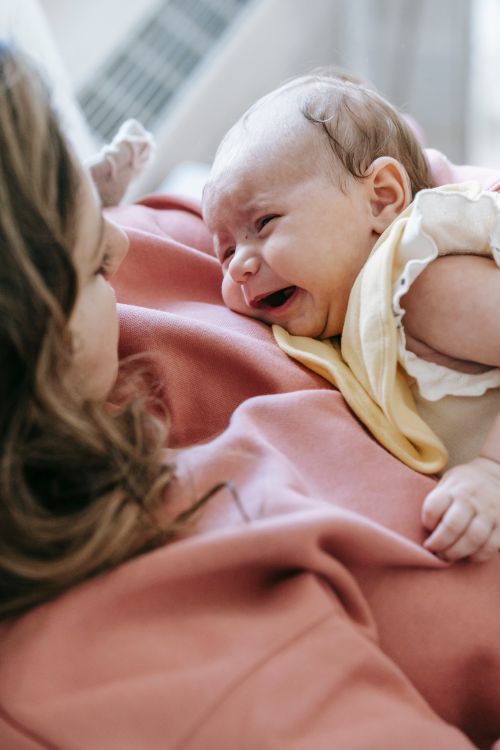
Few things tug at a parent’s heart quite like the moment your baby reaches for you with tear-filled eyes as you try to leave the room. Separation anxiety is one of the most emotionally intense phases of early childhood — for babies and parents alike. But here is the reassuring truth: separation anxiety is not a problem to fix. It is a sign that your baby’s brain is developing exactly as it should.
In this comprehensive guide, we will cover everything you need to know about baby separation anxiety — when it starts, why it happens, and evidence-based strategies to help your child (and you) navigate it with confidence.
📌 Key Takeaway: According to Harvard Center on the Developing Child, 90% of brain development happens before age 5, with the first 1,000 days being most critical. This guide gives you evidence-based, practical guidance you can apply today. For a related deep dive, see our guide on homemade baby food recipes guide.
What Is Separation Anxiety?
Separation anxiety is a normal developmental stage in which a baby or toddler becomes distressed when separated from their primary caregiver. It reflects a growing understanding of the world and a deepening emotional bond between parent and child.
According to the American Academy of Pediatrics (AAP), separation anxiety is one of the most important emotional milestones of infancy and is considered a universal feature of human development across cultures.
Key Characteristics
- Crying or fussiness when a parent leaves the room or hands the baby to someone else
- Clinging behavior, especially in unfamiliar settings
- Resistance to being comforted by anyone other than the primary caregiver
- Sleep disruptions, including difficulty falling asleep alone or increased night waking
- Stranger wariness that often accompanies or slightly precedes separation anxiety
When Does Separation Anxiety Start?
Separation anxiety follows a predictable developmental timeline, though individual variation is perfectly normal.
| Age Range | What to Expect |
|---|---|
| 4-6 months | Early signs may appear. Babies begin to show preferences for familiar faces and may fuss when held by strangers. |
| 6-8 months | Classic onset of separation anxiety. Babies begin to understand that people and objects exist even when out of sight (object permanence). |
| 10-18 months | Peak intensity. Toddlers may cry intensely at drop-off, follow parents from room to room, and resist bedtime. |
| 18-24 months | Gradual improvement as language develops and children can better understand explanations about comings and goings. |
| 2-3 years | Most children show significant improvement, though brief flare-ups can occur during transitions or stressful events. |
Research published in Child Development confirms that the peak period of separation anxiety across diverse cultures occurs between 10 and 18 months of age, making it one of the most consistent developmental phenomena in early childhood.
Why Separation Anxiety Happens: The Science Behind It
Object Permanence: The Cognitive Breakthrough
The single most important concept for understanding separation anxiety is object permanence — the understanding that objects and people continue to exist even when they cannot be seen. This is a key milestone in cognitive development.
Swiss psychologist Jean Piaget identified object permanence as a critical milestone in cognitive development. Before roughly 6-8 months, babies operate on an “out of sight, out of mind” principle. When you leave the room, you essentially cease to exist in their mental world.
Once object permanence develops, everything changes. Your baby now knows you exist when you walk away — but does not yet understand that you will come back. This creates genuine distress. Your baby is not being manipulative or dramatic; they are experiencing real fear based on an incomplete understanding of the world.
Attachment Theory
British psychiatrist John Bowlby’s attachment theory provides another lens for understanding separation anxiety. Bowlby proposed that infants are biologically programmed to form strong emotional bonds with their caregivers as a survival mechanism. Separation anxiety is the alarm system that activates when that bond is threatened.
Mary Ainsworth’s research further demonstrated that separation anxiety is actually a sign of secure attachment — babies who have formed strong, trusting bonds with their caregivers are the ones most likely to protest separation. This is healthy and adaptive.
Brain Development
The limbic system, which processes emotions, develops rapidly during the first two years of life. However, the prefrontal cortex — responsible for reasoning, impulse control, and understanding time — is far from mature. This means babies can feel intense fear about separation but cannot yet rationalize that the parent will return.
Symptoms of Separation Anxiety
Recognizing separation anxiety helps you respond appropriately. Common symptoms include:
- Intense crying when the parent leaves or prepares to leave
- Clinging to the parent’s body or clothing
- Tantrums at daycare or caregiver drop-off
- Sleep regression — refusing to sleep alone, increased night waking, or resistance to naps
- Following the parent from room to room (the “velcro baby” phase)
- Physical symptoms in some children, including stomachaches or refusal to eat when separated
- Decreased interest in play when the preferred caregiver is absent
- Checking behavior — repeatedly looking to ensure the parent is still present
How to Help Your Baby Through Separation Anxiety
1. Practice Peek-a-Boo and Object Permanence Games
Peek-a-boo is not just entertainment — it is brain-building. Every round teaches your baby that things (and people) that disappear will come back. Other helpful games include:
- Hiding toys under blankets and helping baby find them
- Playing “Where did it go?” with cups and small objects
- Covering your face with a cloth and reappearing with a smile
- Rolling a ball behind a barrier and watching it emerge on the other side
These games build the neural pathways that eventually help your baby understand that your departure is temporary.
2. Practice Short Separations First
Gradual exposure is one of the most effective strategies:
- Start by leaving the room for just 30 seconds while baby is in a safe space
- Gradually increase the duration as your baby tolerates it
- Always return with a calm, happy demeanor
- Practice with familiar caregivers before introducing unfamiliar ones
3. Create a Consistent Goodbye Ritual
A predictable routine helps your baby know what to expect:
- Keep goodbyes brief, warm, and confident — one hug, one kiss, a cheerful “I will be back”
- Use the same words and gestures each time
- Avoid prolonging the goodbye, even when your baby cries
- Let your baby see you leave (more on this below)
4. Time Your Departures Wisely
When possible, leave after your baby has eaten, napped, and is in a generally content state. A well-rested, fed baby handles stress more effectively than a tired, hungry one.
5. Provide a Transitional Object
A comfort object — a small blanket, a stuffed animal, or even an item with your scent on it — can serve as a bridge between home and the care environment. Research shows that transitional objects can reduce cortisol levels in young children during separations.
6. Build Trust with Caregivers Gradually
For daycare or nanny transitions:
- Schedule short visits before the official start date
- Stay with your child during initial visits, gradually reducing your presence
- Allow the caregiver to join in activities while you are present so your baby associates them with positive experiences
- Share your baby’s routines, preferences, and comfort strategies with the caregiver
7. Respond to Crying with Empathy, Not Anxiety
Your baby reads your emotional cues. If you appear anxious or guilty, your baby may interpret the situation as genuinely dangerous. Instead:
- Acknowledge feelings: “I know you are sad. I will be back after your nap.”
- Stay calm and confident in your voice and body language
- Trust that crying at drop-off is normal and usually stops within a few minutes
What NOT to Do: Common Mistakes
Never Sneak Away
This is perhaps the most critical piece of advice. While it may seem easier to slip out when your baby is distracted, sneaking away erodes trust. Your baby learns that you can disappear at any moment without warning, which actually intensifies anxiety over time.
The AAP specifically advises against sneaking away, noting that it can make separation anxiety worse and undermine the secure attachment relationship.
Avoid These Other Pitfalls
- Do not come back after saying goodbye. Returning “just to check” resets the emotional cycle and prolongs distress.
- Do not shame or dismiss feelings. Saying “big boys don’t cry” or “there is nothing to be afraid of” invalidates your child’s real emotions.
- Do not avoid all separations. While sensitivity is important, complete avoidance prevents your child from learning to cope.
- Do not introduce major changes simultaneously. Starting daycare during a move or after the arrival of a new sibling compounds stress.
- Do not compare your child to others. Each baby’s temperament and timeline are different.
Handling Daycare and Caregiver Transitions
The daycare drop-off can be one of the most challenging moments for families dealing with separation anxiety. Here is a structured approach:
Before Starting Daycare
- Visit the facility together multiple times
- Meet the caregivers and let your baby interact with them while you are present
- Do short practice separations (30 minutes, then 1 hour, then a half-day)
- Bring familiar items from home
During Drop-Off
- Arrive with enough time so you are not rushed
- Help your child engage in an activity
- Perform your goodbye ritual
- Leave confidently and promptly
- Trust the caregiver to soothe your child
After Drop-Off
- Call to check in if you need reassurance (most daycares welcome this)
- Know that most children calm within 5-10 minutes of a parent’s departure
- Be consistent — irregular attendance can make anxiety worse
- Celebrate reunions warmly but calmly
Separation Anxiety at Bedtime
Nighttime separation can be particularly challenging because darkness and fatigue amplify fear. Strategies include:
- A consistent bedtime routine (bath, book, song, lights out)
- A nightlight for babies older than 6 months
- A comfort object in the crib (following safe sleep guidelines — no loose items for babies under 12 months)
- Brief check-ins if your baby cries, using your voice to reassure without picking up
- Gradual withdrawal — sit next to the crib and move your chair farther away over successive nights
When Is Separation Anxiety Excessive?
While separation anxiety is normal, certain signs may indicate a need for professional evaluation:
- Separation anxiety that first appears after age 3 without a clear trigger
- Panic-level distress that does not diminish after several weeks of consistent caregiving
- Complete inability to function when separated (refusing all food, no engagement in play, inconsolable for hours)
- Physical symptoms such as vomiting, severe headaches, or fainting during separations
- Regression in multiple developmental areas coinciding with separation difficulties
- Anxiety that significantly worsens rather than gradually improves over months
Separation Anxiety vs. Separation Anxiety Disorder
It is important to distinguish between normal developmental separation anxiety and Separation Anxiety Disorder (SAD), which is a clinical diagnosis:
| Feature | Normal Separation Anxiety | Separation Anxiety Disorder |
|---|---|---|
| Age of onset | 6-18 months (typical) | Usually diagnosed after age 3-4 |
| Duration | Peaks and gradually resolves by age 2-3 | Persists for 4+ weeks with significant impairment |
| Intensity | Distress at separation that resolves with comfort | Extreme, panic-level distress that disrupts daily life |
| Impact | Manageable; child can eventually engage | Prevents normal functioning at school, daycare, or social settings |
| Nighttime | May resist bedtime | Persistent nightmares about separation, refusal to sleep without parent |
| Physical symptoms | Mild fussiness | Recurrent stomachaches, headaches, or nausea |
If you suspect your child’s separation anxiety exceeds normal developmental bounds, consult your pediatrician. Early intervention through cognitive-behavioral therapy adapted for young children can be highly effective.
The Silver Lining: Why Separation Anxiety Is a Good Sign
It may not feel like it in the moment, but separation anxiety reflects several positive developments:
- Strong attachment: Your baby has formed a secure, loving bond with you
- Cognitive growth: Object permanence is a major intellectual milestone
- Emotional depth: Your baby can feel and express complex emotions
- Memory development: Your baby can hold you in mind even when you are not visible
- Healthy brain wiring: The stress-response system is functioning as designed
Remind yourself: a baby who cries when you leave is a baby who loves you deeply and trusts you completely.
Frequently Asked Questions
At what age does separation anxiety peak in babies?
Separation anxiety typically peaks between 10 and 18 months of age. Most babies begin showing signs around 6-8 months when they develop object permanence — the understanding that people and things still exist when out of sight. The intensity usually decreases gradually after 18 months as toddlers develop language skills and a better understanding of routines and time.
Is it okay to let my baby cry when I leave for daycare?
Yes, brief crying at daycare drop-off is normal and expected. Research shows that most babies calm down within 5-10 minutes of a parent’s departure. The key is to keep your goodbye ritual short, warm, and consistent. Avoid sneaking away, as this can worsen anxiety over time. If your baby consistently cries for extended periods (more than 30 minutes) after you leave, talk to your childcare provider about strategies and consult your pediatrician if the distress persists.
How can I tell the difference between normal separation anxiety and something more serious?
Normal separation anxiety begins around 6-8 months, peaks between 10-18 months, and gradually resolves by age 2-3. The child can eventually be comforted by other caregivers and engage in activities. Signs that may warrant professional evaluation include: separation anxiety that first appears after age 3, panic-level distress lasting hours, complete inability to function when separated, physical symptoms like vomiting, or anxiety that worsens rather than improves over several months.
Does sleep training make separation anxiety worse?
There is no strong evidence that age-appropriate sleep training worsens separation anxiety. In fact, consistent bedtime routines can help babies feel more secure. However, it may be helpful to avoid starting a new sleep training method during the peak of separation anxiety (10-18 months). If your baby is going through an intense separation anxiety phase, focus on maintaining consistent routines and providing extra comfort. You can revisit or adjust sleep strategies once the most acute phase has passed.
Should I avoid leaving my baby altogether during the separation anxiety phase?
No. While it is important to be sensitive to your baby’s distress, avoiding all separations can actually make anxiety worse in the long run. Gradual, predictable separations help your baby learn that you always come back. Start with short separations in familiar environments with trusted caregivers, and slowly increase the duration. This builds your baby’s confidence and coping skills over time.
💡 Related Resources: Expecting? Visit our sister site pregnancy.chparenting.com for week-by-week pregnancy guides, prenatal nutrition, and labor preparation.
References
- American Academy of Pediatrics. “Separation Anxiety.” https://www.healthychildren.org/English/ages-stages/toddler/Pages/Soothing-Your-Childs-Separation-Anxiety.aspx
- Centers for Disease Control and Prevention. “Child Development Milestones.” https://www.cdc.gov/ncbddd/actearly/milestones/index.html
- Mayo Clinic. “Separation Anxiety in Children.” https://www.mayoclinic.org/diseases-conditions/separation-anxiety-disorder/symptoms-causes/syc-20377455
- Bowlby, J. (1969). Attachment and Loss: Vol. 1. Attachment. Basic Books.
- Ainsworth, M. D. S., Blehar, M. C., Waters, E., & Wall, S. (1978). Patterns of Attachment. Lawrence Erlbaum Associates.
- Zero to Three. “Separation Anxiety.” https://www.zerotothree.org/resource/separation-anxiety/

Written by
Vega LinFounder & Editor — Mother of 2 (Taiwan)
Vega writes Baby Care Guide from the intersection of evidence-based research (AAP, CDC, WHO) and real parenting experience. Holds a Master's in Digital Innovation from Tunghai University. Read more →
Related articles
Planning baby #2? Visit our pregnancy guide.
Due date calculators, week-by-week tracking, weight gain guides, and expert articles for every trimester of your pregnancy journey.
Visit Pregnancy Guide →